After I return home from a brief escape to Ithaca, where I chased waterfalls and tried to clear my head, reality closes in. The separation from Reginald is no longer just an idea. It’s heading toward divorce, and soon, the house will have to go on the market.
When, exactly, remains a question I can’t answer.
The tension inside our home is thick. Lizzie, my daughter, barely speaks to me. She’s punishing me for staying civil with Reginald, refusing now to even call him her father. Her words from our last fight echo in my head, “Why do you always protect him? How can you act like nothing happened?” I hear the real meaning underneath: she doesn’t trust me, doesn’t feel safe. The mix of sadness, defeat, and guilt settles in my bones. I tried to assure her we’re still apart, but I stay civil for Reggie’s sake—he still needs his dad.
Lizzie’s eyes say she doesn’t believe me. She only sees the hurt, the years of pain built up behind these tired walls. Even the house feels defeated—the paint faded, the carpets thin, the floors dull, like it’s quietly giving up right alongside me.
I give Lizzie space to grieve. Betrayal by a man hurts, something I know too well. Forgiveness is supposed to be my grace, but the past clings to me, and I’m still mourning a marriage that ended long before the paperwork was filed.
I’ve lingered here longer than I should, waiting for a miracle from Reginald that will never come. Reggie is eighteen now, and my excuses are running out. I know I have to move on, but my feet feel rooted to this spot. I can’t quite let go, not yet.
Reggie copes by disappearing into his online games. I recognize that kind of escape. Once, I did it with books, losing myself in romance, fantasy, and dystopian. Anything but my own problems.
It reminds me of the day he asked to walk with me, his eyes teary and red. He was worried about his father, sensing the change long before it surfaced. I’d tried to reassure him, telling him to have faith, but my words were hollow. We were both hoping for a miracle, and we both knew, deep down, that one might not come.
My support group just finished another season, this one about life after separation. The first season helped me see my pain. The second let me feel and accept it, leaving me raw.
But it’s the brain-spotting and somatic therapy that’s truly unearthing the trauma I’ve carried for years. It rises as a heat in my chest, a fog in my mind, a physical weight I’m only now learning to name. Processing it is exhausting. Most days, I feel like I’m both coming and going. My body craves a sleep that never feels deep enough, as my soul aches for freedom.
Freedom, for me, feels like wind in my hair, sunlight on my skin, a wild urge to run, to shake off these chains keeping me stuck. But I walk, focusing on each step, feeling the gravel beneath my feet, trying to settle my nervous system.
Sometimes I wonder: Am I running toward freedom, or toward life itself? I don’t know. But I keep walking.
My parents still live here, a constant reminder of the wounds I carry. This morning, my father cornered me, demanding details of the separation. His questions were less about concern and more about craving a reaction. When I didn’t give him one, my mother just shrugged. “You know how he is,” she said, turning away. That shrug was the story of my childhood. In its wake, I learned to chase love, to twist myself into someone worth noticing, someone a mother might finally choose.
When I met Reginald, I thought I’d found that someone who understood me. In truth, we mirrored each other’s wounds. His unresolved childhood mixed with mine, both of us projecting pain until Lizzie, blunt as ever, called her father a narcissist.
Her words stunned me. I’d seen the signs, but I didn’t want to believe I’d married someone like my father. Reginald could get angry, yes, but he could also love, couldn’t he?
Yet the constant walking on eggshells, the endless small arguments, the damage—holes in the walls, dented doors. The echoes of my tears dropping onto carpets that absorb my heartache on restless nights. I can’t pretend I don’t remember. I took in everyone’s pain and made it my own.
I know I’ve hurt Reginald too, hiding from conflict when I should have spoken up. Truthfully, we’re both emotionally stunted.
In therapy, I revisit all those moments where I shrank to let him take the space, suppressing my voice for his peace, not mine. Finally, I’m learning to let go of the pain.
When the trauma rises, hot and tight in my chest or gut, my therapist reminds me to ground myself. “Find your neutral spot. Feel your feet on the floor.” So I do until the tension fades.
I breathe, and for a moment, it feels like freedom.
This post is part of a fictionalized memoir. The emotional experiences and themes are drawn from my life, but all names, identities, timelines, and circumstances have been altered, obscured, or combined to protect privacy — including my own. These writings are not meant to diagnose, label, or describe any real person. Instead, they illuminate relational patterns that can occur in emotionally imbalanced or narcissistic dynamics. Any resemblance to actual individuals is coincidental or intentionally obscured. The intention is healing and awareness, not identification. These posts are for storytelling purposes only and do not constitute professional advice.
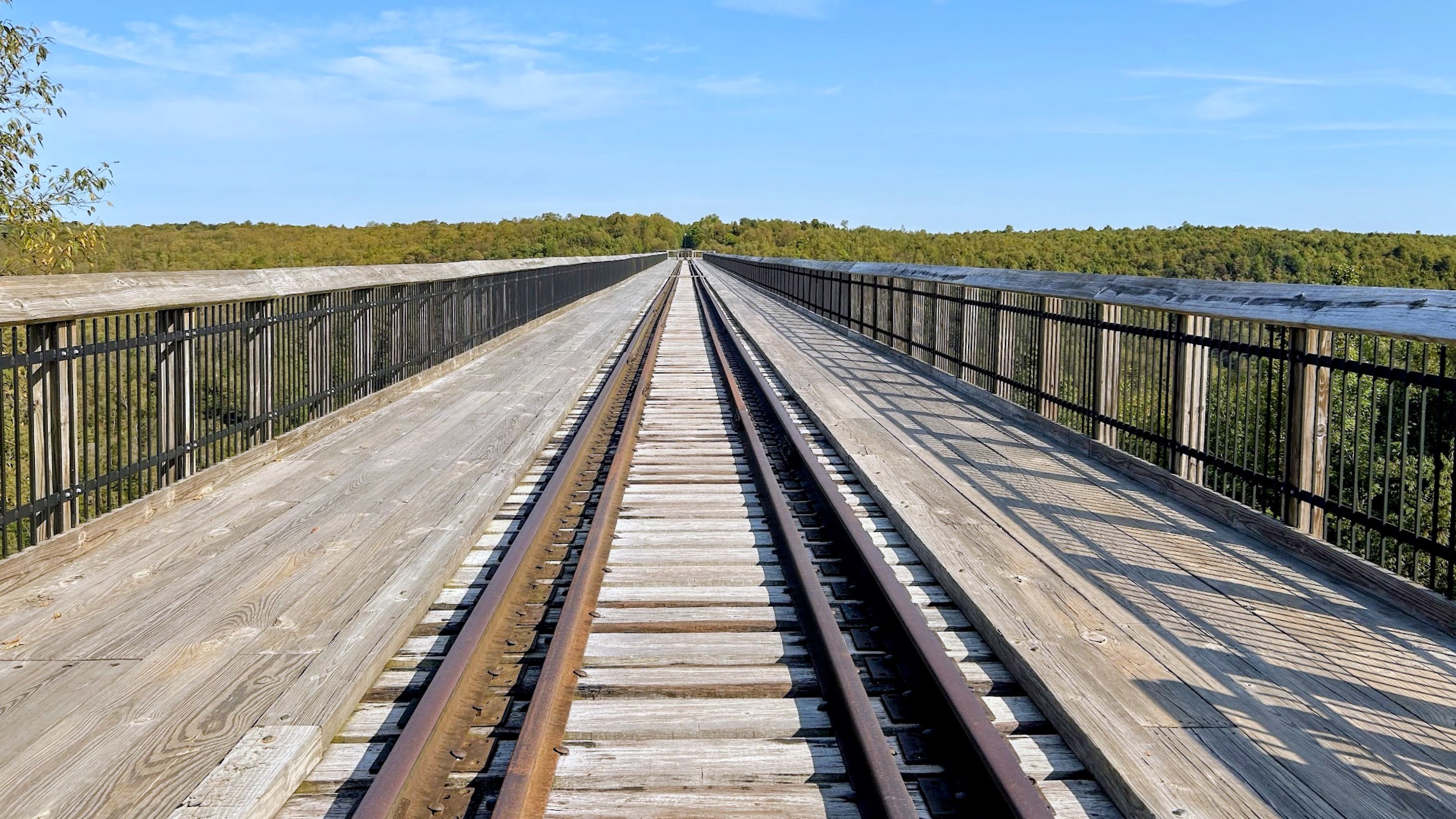
The images woven through My Journey and The Lessons are my own photographs — moments I captured on trails, in forests, beside rivers, and under open sky. They are pieces of my story and are not to be copied or used without permission.


Leave a Reply